Introduction
Social media continues to evolve at a rapid pace, and one of the most significant trends in recent years is the rise of audio- and video-based platforms. While text posts and static images remain popular, users are increasingly engaging with dynamic content such as videos, live streams, and audio interactions. Platforms such as TikTok, Instagram Reels, YouTube Shorts, Clubhouse, and Twitter Spaces have transformed the way people communicate, consume content, and interact with brands. This shift reflects changing user preferences, technological advancements, and the growing demand for immersive and interactive experiences in digital spaces.
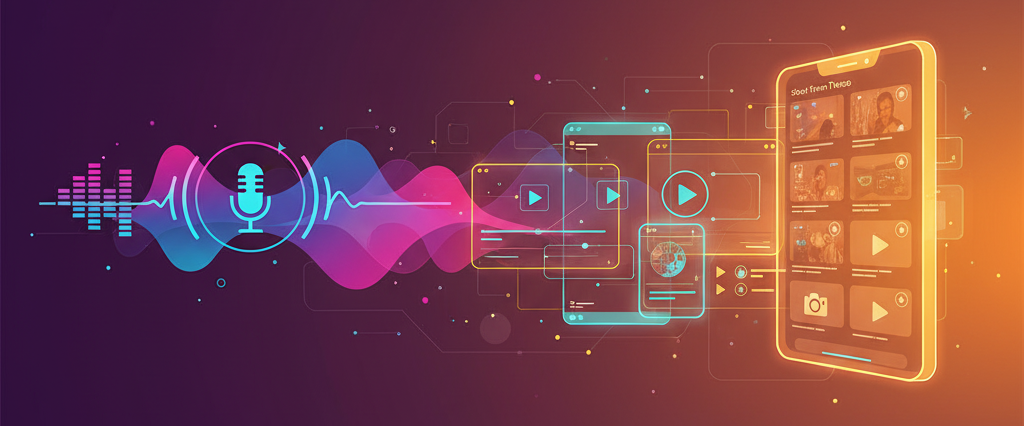
The Growth of Video-Centric Social Media
Video content has become a dominant format on social media due to its ability to convey emotions, narrative, and information more effectively than text or images alone. Short-form video platforms, such as TikTok and Instagram Reels, have experienced explosive growth by allowing users to create engaging and shareable clips. These platforms leverage AI-based recommendation algorithms to personalize content feeds, keeping users highly engaged and encouraging longer sessions. Video-based social media has also transformed marketing strategies. Brands now produce micro-content, tutorials, behind-the-scenes footage, and influencer collaborations to capture audiences’ attention. Video enables higher engagement rates, greater brand recall, and more authentic connections with audiences, driving a shift in advertising budgets from traditional to digital video campaigns.
The Rise of Audio Platforms
Alongside video, audio-based platforms have gained popularity, prioritizing real-time conversation and community engagement. Apps like Clubhouse and Twitter Spaces allow users to participate in live discussions, panels, and Q&A sessions. Podcasts, another form of audio content, have become a popular medium, offering on-demand storytelling, education, and entertainment.
Audio content offers unique advantages. It enables multitasking, fosters intimate and authentic connections, and encourages interactive participation. Brands and influencers use audio platforms to host live discussions, offer thought leadership, and engage with audiences in ways that feel personal and immediate. Factors Driving the Trend
Several factors explain the shift toward audio- and video-based social media:
Technological Advancements: Faster internet speeds, 5G networks, and improved smartphone capabilities facilitate high-quality video streaming and real-time audio interaction.
Changing User Behavior: Younger audiences, in particular, prefer visual and auditory content to long-form text. Their attention spans are shorter, and dynamic content is more engaging and memorable.
AI and Personalization: Algorithms curate feeds based on user preferences, optimizing engagement and keeping audiences engaged with relevant audio and video content.
Monetization opportunities: Platforms offer new ways for creators to earn revenue through ads, sponsorships, subscriptions, and virtual gifts, incentivizing content production and innovation.
Impact on Engagement and Marketing
The rise of audio and video content has dramatically increased user engagement. Live video and audio sessions encourage interaction through real-time comments, reactions, and participation. The platforms promote the visibility of trending content, creating viral moments and amplifying reach.
From a marketing perspective, brands leverage these formats to create immersive campaigns, influencer collaborations, and authentic storytelling. Live streams and short videos generate higher conversion rates, while audio discussions build trust and loyalty through thought leadership and community engagement.
Challenges and Considerations
Despite their popularity, audio and video-based platforms present challenges for users, creators, and businesses. Content moderation is a major concern, as real-time audio and video can facilitate the rapid spread of misinformation, hate speech, or inappropriate material. Privacy and data security issues also arise, especially with live streams and location-based content.
For brands, producing high-quality video and audio content requires investment in tools, production, and talent. Furthermore, algorithms can be unpredictable, making it difficult to ensure visibility and consistent audience engagement. The Future of Audio and Video Social Media
The trend toward audio and video-based platforms is expected to continue, driven by advancements in augmented reality (AR), virtual reality (VR), and AI. AR and VR will facilitate immersive experiences, such as virtual events, interactive shopping, and gamified content, while AI will improve content personalization, editing, and discovery.
Hybrid platforms that combine audio, video, and text may also emerge, offering users flexibility in content creation and consumption. Social media is likely to become increasingly interactive, experiential, and communal, reflecting the desire for deeper interaction and meaningful connections in digital environments.
Conclusion
The rise of audio- and video-based social media platforms represents a fundamental shift in the way people communicate, consume content, and interact with brands online. Video offers compelling storytelling and engaging visual interaction, while audio fosters intimate, real-time engagement and community building.
As technology continues to evolve, these formats will become even more integrated into social media strategies, marketing campaigns, and user engagement. Businesses and creators that embrace dynamic content, leverage AI-driven personalization, and prioritize authenticity will be better positioned to thrive in this ever-evolving digital landscape. Audio and video are no longer optional: they are critical to the future of social media.