Introduction
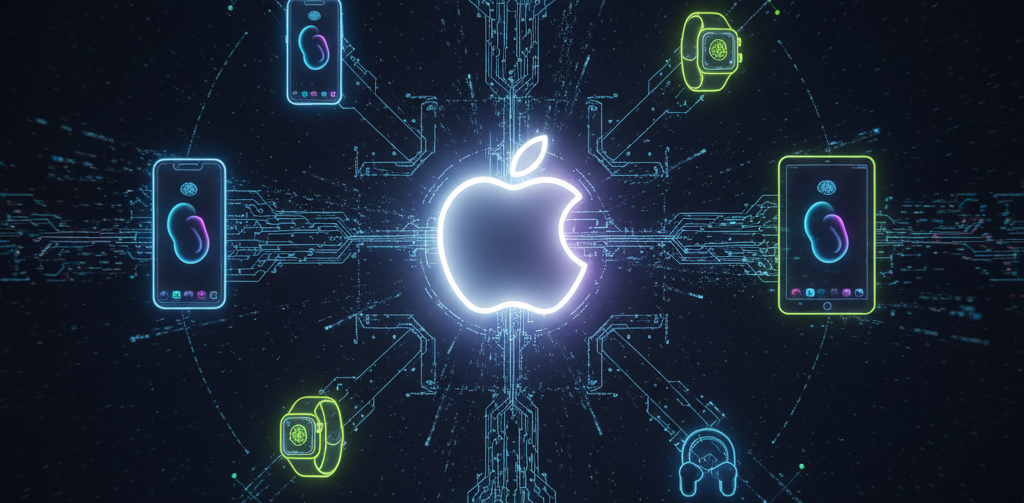
Apple has officially entered the generative AI revolution by integrating advanced artificial intelligence capabilities into all of its devices with the release of iOS 19. This advancement marks a major step forward in Apple’s long-term strategy of combining cutting-edge technology with privacy and user-centered design. With generative AI now deeply integrated into iPhones, iPads, Macs, and other Apple products, users can access new tools for creativity, productivity, and communication. This transformation underscores Apple’s ambition to make AI not only powerful, but also personal, secure, and seamlessly integrated into everyday digital experiences.
The Evolution of Apple’s AI Strategy
For years, Apple has focused on machine learning and contextual intelligence, primarily through features like Siri, Face ID, and photo recognition. However, the introduction of generative AI represents a significant leap: from reactive assistance to proactive creativity and personalized interaction.
Unlike previous versions, iOS 19 introduces on-device generative AI models capable of creating text, images, and even audio tailored to the user’s individual preferences. Apple’s approach prioritizes privacy in AI processing, ensuring that sensitive data never leaves the user’s device unless explicitly permitted. This aligns with the company’s strong reputation for data protection and ethical use of technology.
Key Generative AI Features in iOS 19
The iOS 19 update incorporates a wide range of new generative AI features designed to improve the user experience across the Apple ecosystem:
Siri Reimagined: Siri now leverages generative AI for more natural and contextualized conversations. It can summarize emails, generate reminders based on spoken notes, and assist with writing or editing text across apps.
AI Writing Tools: Built directly into Messages, Mail, and Notes, users can generate replies, summarize long conversations, or compose professional emails instantly.
Creative Generation Tools: The Photos and iMovie apps now include AI-assisted editing, allowing users to generate custom backgrounds, artistic filters, or create short videos based on prompts. Image and Design Creation: With the integration of Apple Pencil and AI in iPadOS 19, users can sketch out concepts and let AI refine, color, or auto-complete them.
Personalized Recommendations: Music, news, and fitness apps use generative AI to create playlists, article summaries, and personalized workout plans based on the user’s habits.
Integration Across the Apple Ecosystem
What sets Apple’s generative AI apart from the competition is its tight integration across devices and apps. Thanks to iCloud sync and Apple’s Neural Engine, users experience consistent AI performance, whether on an iPhone, iPad, or Mac. For example, a document started on a Mac with AI writing tools can be seamlessly edited on iPhone using voice prompts, while AI-generated custom designs in Keynote sync instantly across all devices. This ecosystem-based approach improves workflow efficiency and promotes a more cohesive and intelligent user experience.
Privacy and Ethical AI by Design
Apple’s implementation of generative AI reflects its core philosophy of privacy and ethical technology. Unlike cloud-based models that process user data on external servers, the majority of Apple’s AI calculations are performed on the device, leveraging the company’s proprietary chips, such as the A17 Pro and M3.
The company has also filed Transparency Reports that show how AI models use data and give users full control over information sharing. By integrating privacy protections at the hardware and software levels, Apple positions itself as a responsible leader in an industry often criticized for opaque AI practices.
Competition and Market Impact
Apple’s entry into the generative AI market directly challenges established players such as OpenAI’s ChatGPT, Google’s Gemini, and Amazon’s Bedrock. However, Apple’s advantage lies in its massive global ecosystem of devices and its seamless integration of software and hardware.
By combining generative AI with its user experience design, Apple is focusing less on standalone AI chatbots and more on improving daily productivity, creativity, and personalization. This differentiation could transform consumer expectations, making AI assistance an invisible but integral part of digital life.
Industry analysts predict that Apple’s integration of generative AI will accelerate widespread adoption, as users already familiar with the brand’s products will adopt AI-enhanced tools without steep learning curves. Developers will also benefit from new Xcode and Swift APIs, which will allow them to integrate generative AI features directly into their apps.
Challenges and Ethical Considerations
Despite its innovation, Apple faces challenges in ensuring that AI-generated content remains accurate, unbiased, and secure. The company must maintain a delicate balance between personalization and privacy, especially as AI systems learn from user behavior and preferences. Furthermore, issues of intellectual property, misinformation, and content authenticity will require ongoing oversight. Apple has responded by introducing digital watermarks for AI-generated content and improving its developer guidelines to ensure transparency and accountability in third-party AI integrations.
The Future of AI in the Apple Ecosystem
Looking ahead, Apple is expected to continue expanding its generative AI capabilities through regular software updates and hardware optimization. Rumors suggest that future devices will incorporate “Neural Processing Units” dedicated to complex AI tasks, improving both speed and efficiency.
The company may also introduce AI-based health tracking, real-time language translation, and accessibility tools, further blurring the line between human intuition and machine assistance. As developers adopt Apple’s AI framework, the App Store could soon see a surge in AI-powered creative, educational, and productivity apps designed for iOS 19 users.
Conclusion
With the release of iOS 19, Apple has firmly positioned itself at the forefront of the generative AI revolution, integrating advanced AI throughout its entire device ecosystem. By focusing on privacy, personalization, and a seamless user experience, Apple differentiates its approach from the competition while empowering users to create, communicate, and work more efficiently.
The integration of generative AI into everyday tasks represents not just a technological upgrade, but a fundamental evolution in how people interact with their devices. As AI continues to shape the digital landscape, Apple’s balance of innovation and ethics could set a new standard for responsible, user-centric AI in the coming years.